May 29, 2026
When traditional liquid paint fails to deliver the strength required for heavy-duty industrial and commercial applications, a superior finishing method becomes necessary. Metal components face constant challenges from environmental exposure, mechanical wear, and chemical contact, demanding a protective layer that goes beyond mere aesthetics. This is where advanced surface finishing techniques step in to provide unparalleled durability and a flawless finish for demanding projects.
Section One: Defining the Powder Coating Process
The fundamental concept behind this advanced finishing method involves applying a dry, free-flowing thermoplastic or thermoset polymer material to a clean metal surface. Unlike conventional liquid paints that require a solvent to keep the binder and filler components in a fluid form, this technique utilizes dry powder that is ground into a fine, consistent dust. Experts use this material to achieve a completely uniform layer across complex geometries without the risk of sags, runs, or drips that frequently plague liquid applications.
The ingredients within the dry mixture typically include finely ground particles of pigment, polymer resin, curing agents, and various modifiers tailored to specific performance requirements. Because the process eliminates the need for liquid solvents, it is highly regarded for being incredibly efficient and significantly safer for the environment. Industrial facilities and expert powder coating companies favor this approach because it minimizes hazardous waste and releases virtually zero volatile organic compounds into the atmosphere during application.
Understanding the baseline definition of this method helps clarify why it has become the gold standard across the manufacturing, automotive, and aerospace industries. The resulting finish provides a thick, cohesive skin over the metal substrate that liquid alternatives simply cannot replicate. By shifting from a wet application to a dry, fused polymer structure, the entire nature of surface protection is elevated to a much higher standard of performance.
Section Two: Preparing the Metal Base Thoroughly
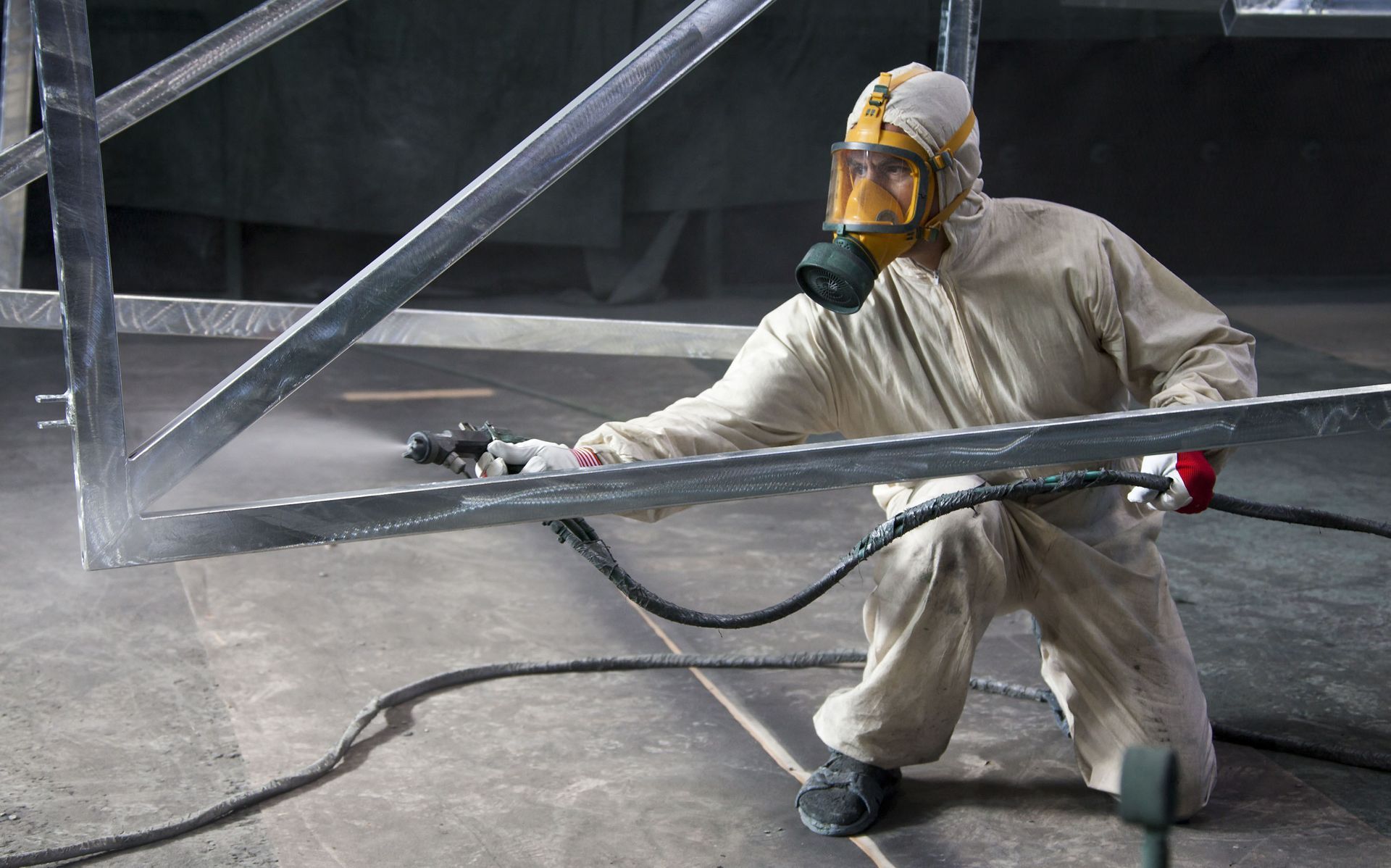
The success of the final finish depends heavily on the initial preparation of the metal substrate, as any surface contaminants will compromise the adhesion of the polymer. The metal must be completely stripped of all oils, grease, mill scale, rust, and existing coatings before any powder can be introduced to the material. Experienced powder coating companies use a combination of chemical cleaning baths and mechanical blasting techniques to achieve a perfectly pristine, bare metal surface.
Media blasting plays a critical role in this preparatory stage by physically profiling the metal to create a microscopic texture, often referred to as an anchor pattern. This texture gives the dry particles a rough surface to grip onto, which significantly enhances the mechanical bond between the polymer and the metal core. Without this meticulous preparation, the coating could easily peel, lift, or bubble when subjected to harsh operational environments or physical impacts over time.
Once the blasting and chemical degreasing cycles are complete, the components undergo a thorough rinsing and drying cycle to eliminate any remaining residue or moisture. Every stage of this preparation requires strict quality controls to prevent flash rusting or accidental contamination from airborne particulates. Professional powder coating companies maintain immaculate preparation zones to guarantee that the metal enters the application phase in the cleanest possible state.
Section Three: Applying the Electrostatic Powder Coating
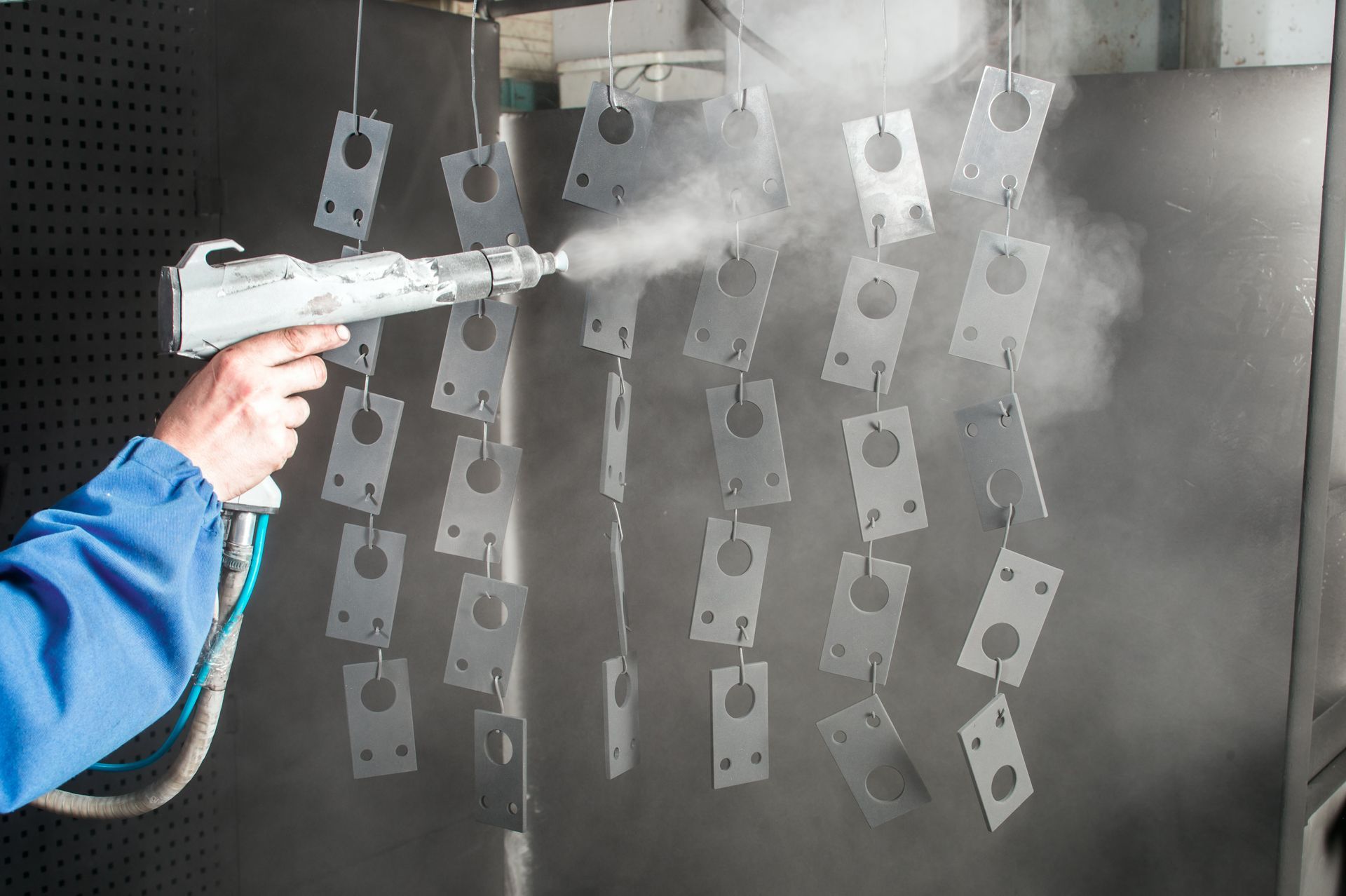
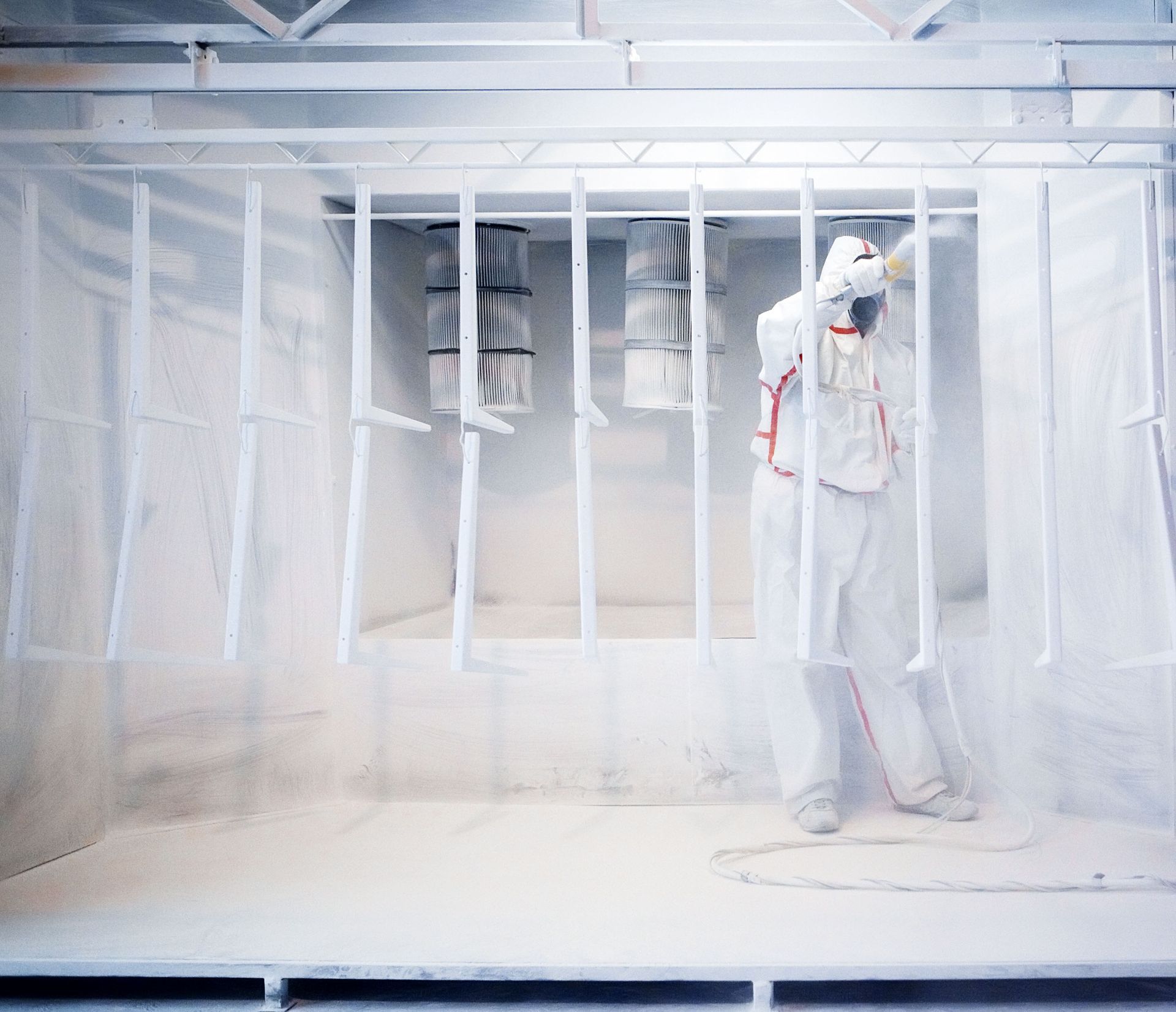
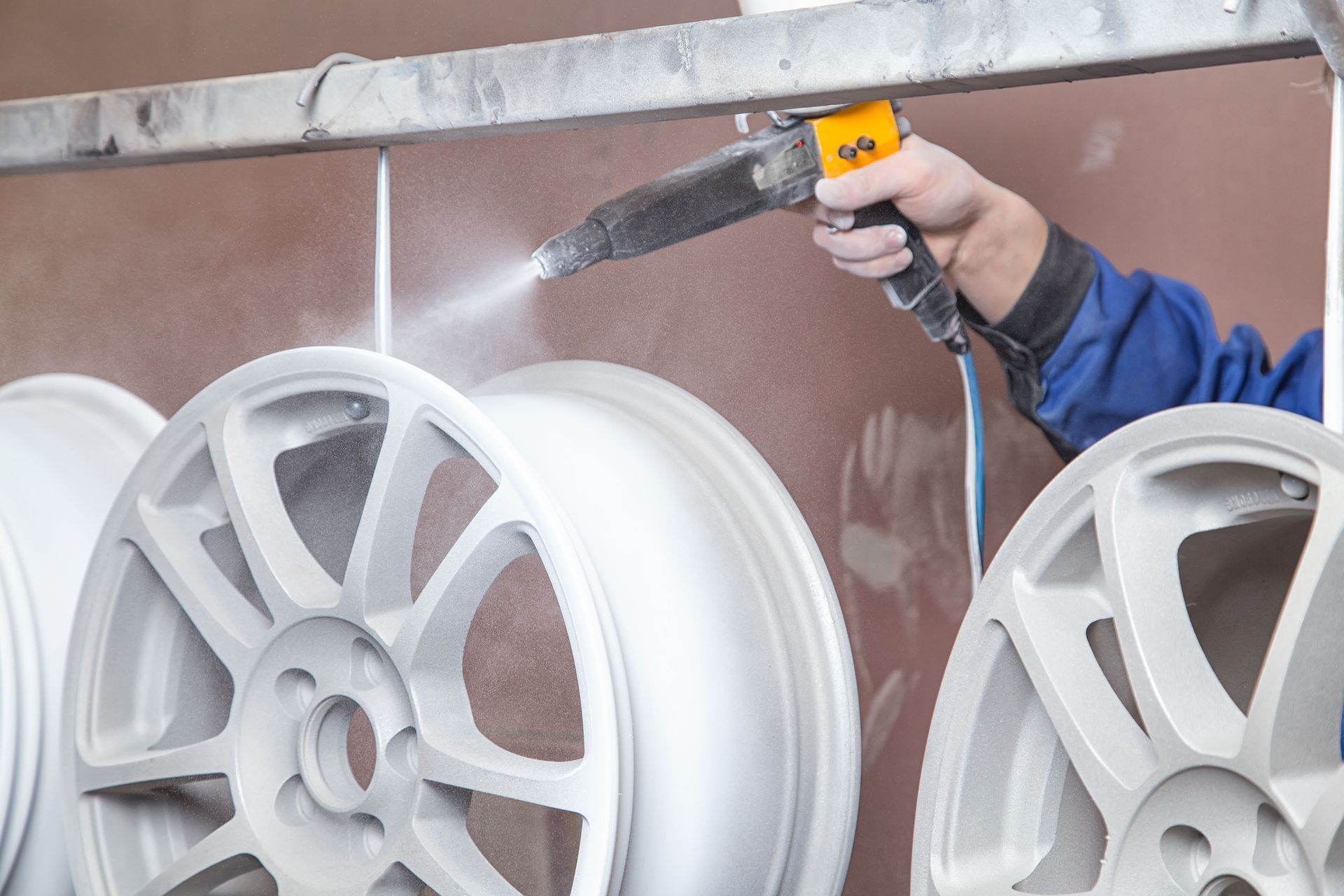
The actual application of the material relies on the principles of electrostatics to draw the dry particles directly to the grounded metal component. A specialized spray gun imparts a positive electrical charge to the powder as it is propelled through the nozzle by compressed air. The metal part is securely attached to a grounding wire, creating a powerful electrostatic attraction that pulls the charged particles evenly across every surface.
This electrostatic pull allows the fine dust to wrap around complex curves, deep recesses, and intricate geometries that are notoriously difficult to coat evenly with a standard paintbrush or liquid spray nozzle. The powder adheres to the metal purely through this electrical attraction, holding the dry particles firmly in place as the component moves to the next stage. Highly trained technicians at powder coating companies monitor air pressure, voltage settings, and flow rates to achieve the precise thickness required for the specification.
The efficiency of this application method is exceptionally high because any powder that fails to adhere to the component can be reclaimed and recycled. This overspray collection process means that material waste is kept to an absolute minimum, distinguishing the method from traditional wet painting, where overspray is entirely lost. This controlled, precise application phase lays the foundation for a seamless and uniform protective barrier.
Section Four: Curing the Polymer Finish Correctly
Once the dry particles cover the component, the piece moves into a specialized curing oven where high temperatures trigger a critical chemical transformation. The intense heat causes the individual powder particles to melt, flow together, and chemically cross-link into a continuous, high-molecular-weight polymer network. According to MachineMfg, the process of powder coating curing is typically ten to 20 minutes long, determined by the part size and kind of powder.
During this thermal processing cycle, the material undergoes a permanent molecular change that fundamentally alters its physical properties, transitioning from a delicate dust into a solid shell. The precise monitoring of oven temperature and dwell time is paramount, as under-curing leads to brittle finishes while over-curing can cause severe discoloration. Advanced powder coating companies employ calibrated thermal profiling equipment to track the exact temperature of the metal throughout the entire baking process.
After the specified time in the oven concludes, the components are carefully moved to a cooling zone where the polymer solidifies into its final state. Unlike liquid paints that can take days to fully cure and release trapped gas, this dry-applied finish is completely ready for handling, assembly, or shipping the moment it cools down to room temperature. This rapid turnaround time drastically accelerates production schedules without sacrificing the structural integrity of the protective layer.
Section Five: Evaluating the Incredible Longevity Factors
The extraordinary durability of the final product is a direct result of the cross-linked polymer bond established during the thermal curing phase. This molecular structure yields a finish that is significantly tougher, more flexible, and more resilient than standard liquid paint formulations. Consequently, parts processed by industrial powder coating companies resist scratching, chipping, abrasion, fading, and chemical corrosion far better than traditionally painted alternatives.
Environmental factors like prolonged ultraviolet exposure, extreme temperature fluctuations, and heavy moisture can rapidly degrade standard finishes, but fused polymers maintain their color and gloss for decades. The thickness of the layer also provides a robust physical barrier that prevents moisture and oxygen from reaching the underlying metal substrate, effectively halting rust before it can start. This longevity translates directly into reduced maintenance costs and an extended operational lifespan for critical industrial equipment.
Ultimately, the combination of thorough mechanical preparation, precise electrostatic application, and thermal cross-linking creates a defense mechanism that stands up to the harshest real-world conditions. When looking at long-term asset protection, this methodology consistently outperforms other surface treatments on every measurable metric. Understanding these engineering steps highlights why modern industries rely on this process to protect their most valuable metal investments.
Investing in high-quality surface protection is essential for maintaining the structural integrity and appearance of industrial metal assets over time. By combining advanced electrostatics with thermal cross-linking, this dry finishing method delivers unmatched resistance to wear and environmental damage. This robust chemical process yields an enduring defense that protects vital machinery and components for years. Contact Blastco today to see why leading powder coating companies rely on our advanced finishes for maximum asset protection.